







Deployment

ERP System deployment

There are several possible ways to implement an ERP system:

Planning your ERP deployment

Your next big decision when considering a new ERP system? How it will be deployed. There are several approaches to choose from, including traditional on-premise, cloud deployment, or a hybrid combination of both. You will want to consider financial differences and look at each ERP deployment strategy’s strengths and attractions, as well as any unique limitations or challenges.

Hosting providers

Types of ERP Deployment

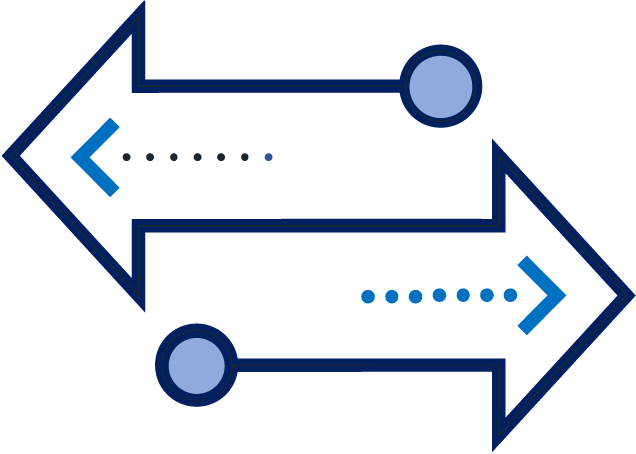
Two-way arrow icon representing direct client-to-server communication
Two-Tier ERP
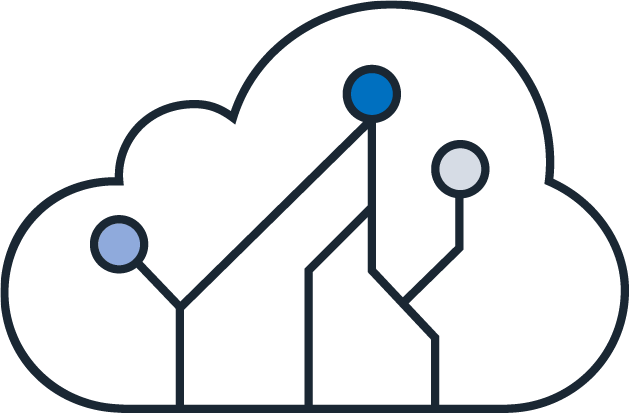
Cloud icon with a connected network diagram
Cloud ERP
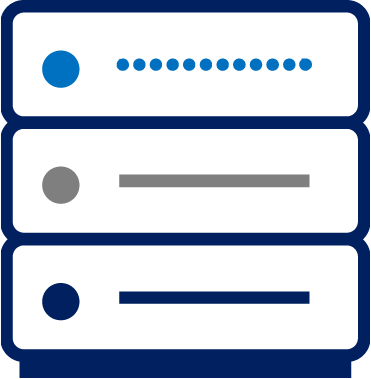
Stacked server rack icon
On-Premise ERP
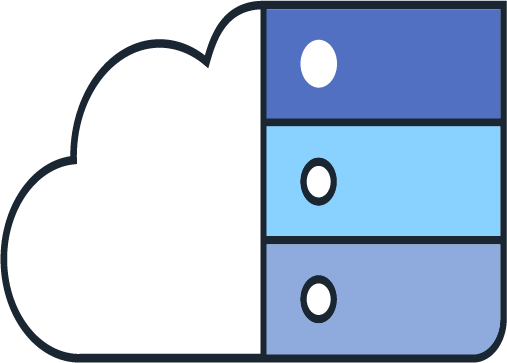
Cloud shape fused with a server rack
Hybrid ERP

1. Two-Tier ERP

Two-tier deployment is a simple software architecture with two layers: a client for user interaction and a server for business logic and database management. Ideal for small-scale applications, it offers quick development and direct communication but has scalability and flexibility limitations, making it less suitable for large systems.

2. Cloud ERP

Cloud ERP deployment involves hosting enterprise resource planning (ERP) software on cloud servers, enabling access via the internet. This model provides flexibility, scalability, and cost-efficiency, eliminating the need for on-premises infrastructure. Ideal for businesses seeking streamlined updates, remote access, and lower upfront costs, it supports rapid deployment and global collaboration. However, it relies on internet connectivity and may involve data security considerations.

3. On-Premise ERP

On-premise ERP deployment involves hosting enterprise resource planning (ERP) software on a company’s local servers and infrastructure. This model offers greater control over data and customization but requires significant upfront investment in hardware, IT resources, and maintenance. Ideal for businesses with strict data security needs, it provides reliability without internet dependency but may lack the flexibility and scalability of cloud solutions.

4. Hybrid ERP

Hybrid ERP deployment combines on-premise and cloud ERP systems, offering a mix of local control and cloud-based flexibility. Businesses can keep critical operations on-premise while leveraging the cloud for scalability, remote access, and reduced IT overhead. This model balances customization and cost-efficiency but requires careful integration and management for seamless operation.